

This Week's Quotation:
“The sun never says to the earth, ‘You owe me.’ Look what happens with a love like that — it lights the whole sky.”
— Hafiz
Embodying Our Prayers
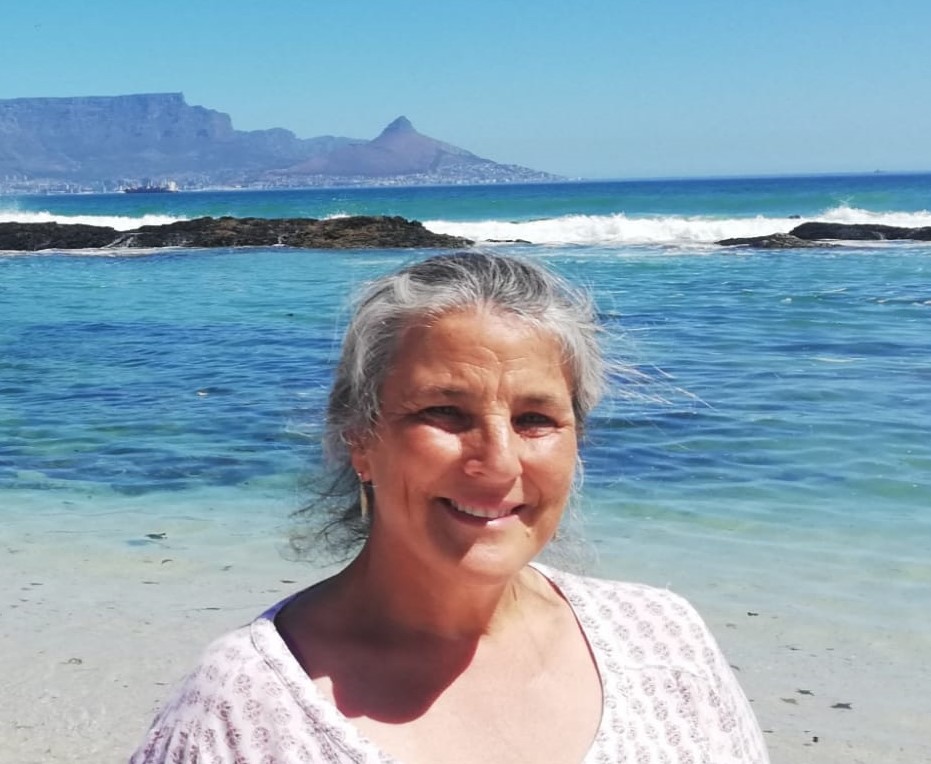
Rev. Berry Behr, Interfaith Minister
This is the Christian season of Lent. Millions of Christians around the world are united in prayer for deeper connection with God and peace in the world. The 40 days (excluding Sundays) of Lent reflect Jesus’ 40-day fast in the wilderness prior to his crucifixion. Observers spend the time in prayer, fasting, and the giving of alms.
This is also the Islamic period of Ramadan, the holiest month in the Muslim tradition. It commemorates the beginning of the revelation of the Qur’an to the Prophet Muhammad, when he was visited in a cave by the Angel Gabriel. Observers spend the month fasting, praying, and giving zakat (charity).
Many Lenten and Ramadan prayers will be focused on peace and mercy although unified prayer in a highly fragmented world feels unlikely. Our ideas of peace are widely disparate; we place human conditions on divine intervention, and we carry clear judgments about other people’s perspectives—even when we suspect we are all reaching toward the same moral horizon. As a peace builder, I am reminded that if I do not cultivate forgiveness within my own heart, I quietly perpetuate the very divisions I long to heal.
Seventh-day Adventists are deeply Christ-centered but do not observe Lent. Easter tends to be a quieter, spiritually focused time of personal deepening.
Recently I listened to an SDA sermon about the struggle between good and evil, and restoring wholeness after separation. The preacher had delivered a sermon on forgiveness in a Muslim country. It was warmly received because, he believed, Islam does not prioritize forgiveness in the same Christ-centered way Christian theology does. My own further exploration taught me the two paths simply have different theological architectures for understanding how divine mercy operates. That means they may not recognize each other’s deep intent because they are focused on different processes.
Process matters, because theology shapes behavior. But ultimately, what matters most is that we embody the value we seek from our God. Whatever our theology of atonement, changed behavior is its most convincing evidence. During Lent and Ramadan, Christians and Muslims are examining conscience and deepening their relationship with God. Two traditions, two sacred calendars, one shared human longing—to be forgiven, to forgive, to return to God. To know peace.
About Open Windows
We, the authors of this blog, dedicate it to the transparent exploration of the world's sacred scripture and enlightened spiritual thought. We believe that the original inspiration of all faiths comes from a common source, named and revered in a myriad of ways. With that understanding, the innumerable symbols, beliefs, and practices of faith cease to divide. They become open windows to a common reality that inspires and unifies us. We find deeper insight and nourishment in our own faith and from the expression of faith from others.
We hope these weekly quotations and meditations speak to your heart and soul.







How true, Rev. Berry, that “embodying our prayers” is the most important thing we can do. As you put it: Whatever our theology of atonement, changed behavior is its most convincing evidence. Yes, there are significant differences in Christian and Muslim theologies and traditions. But it is the mutual intent to embody Love that matters most, and in that they may converge.
i love this! I needed to hear this today, thank you angel!
Thank you, Rev. Behr. So important to be at peace and bring that spirit wherever we go. I just saw a documentary about Paul McCartney. When asked what his greatest value was, he replied “personal peace.” I value your letting us know the one spirit behind the two ‘theological architectures’ during the seasons of Lent and Ramadan. Forgiveness seems even more important when the prevention of war and other conflict can be achieved by an ability to truly forgive. And although the current Middle East war is depicted as political and militaristic, beneath it in part is Islamaphobia, Anti-Semitism, anti-West/Christian hate and fragmentation. Your emphasis upon the Oneness behind theology is so important. Thank you for this thought and this healing current. Appreciatively, Tom C. in Oahu
Mutual Intent are the words that really fulfill the possible destiny going forward.