This Week's Quotation:
“Knowing that all of life comes from life, may I be worthy of the sacrifice.”
– Unitarian meal blessing
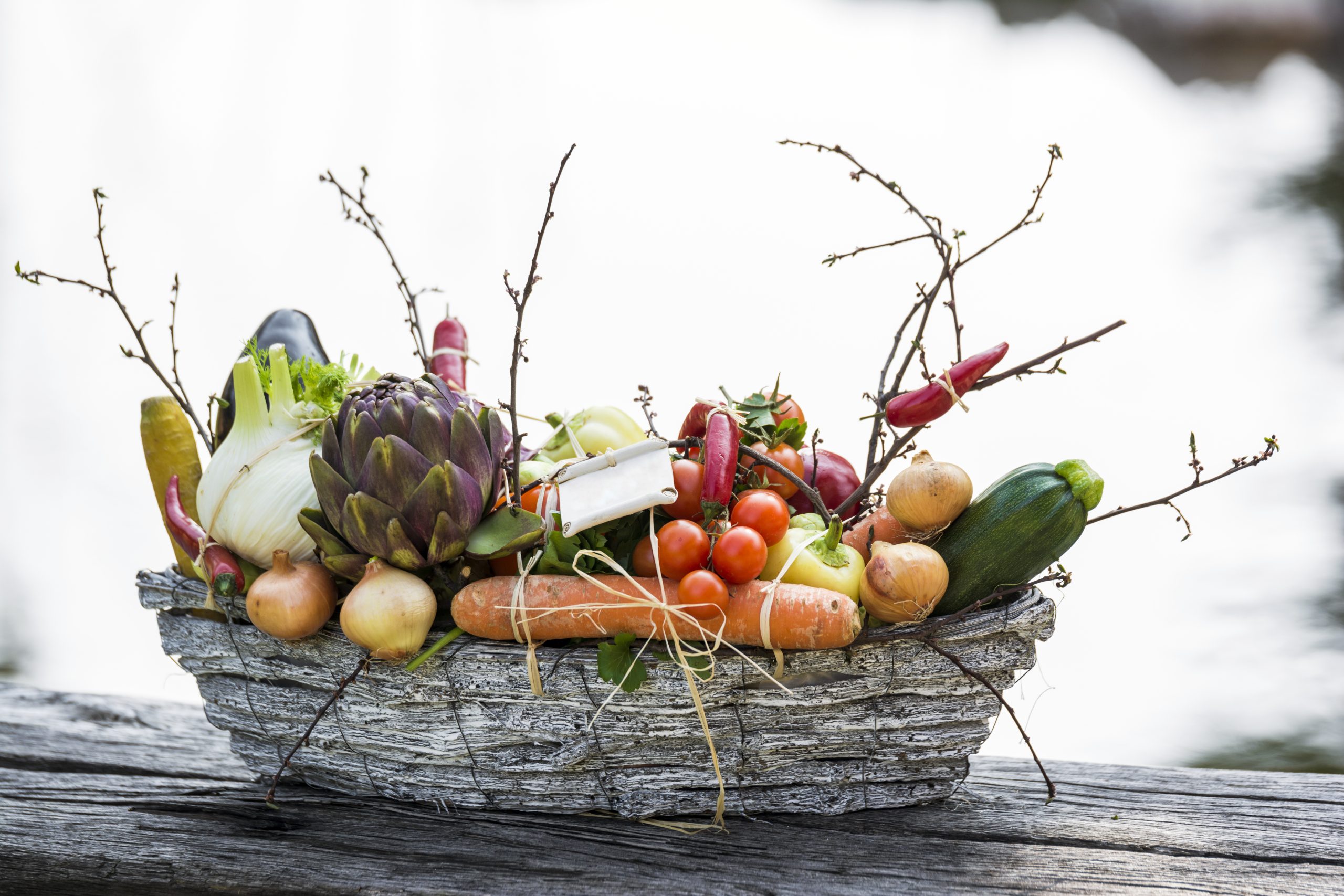
The Sacrament of Food
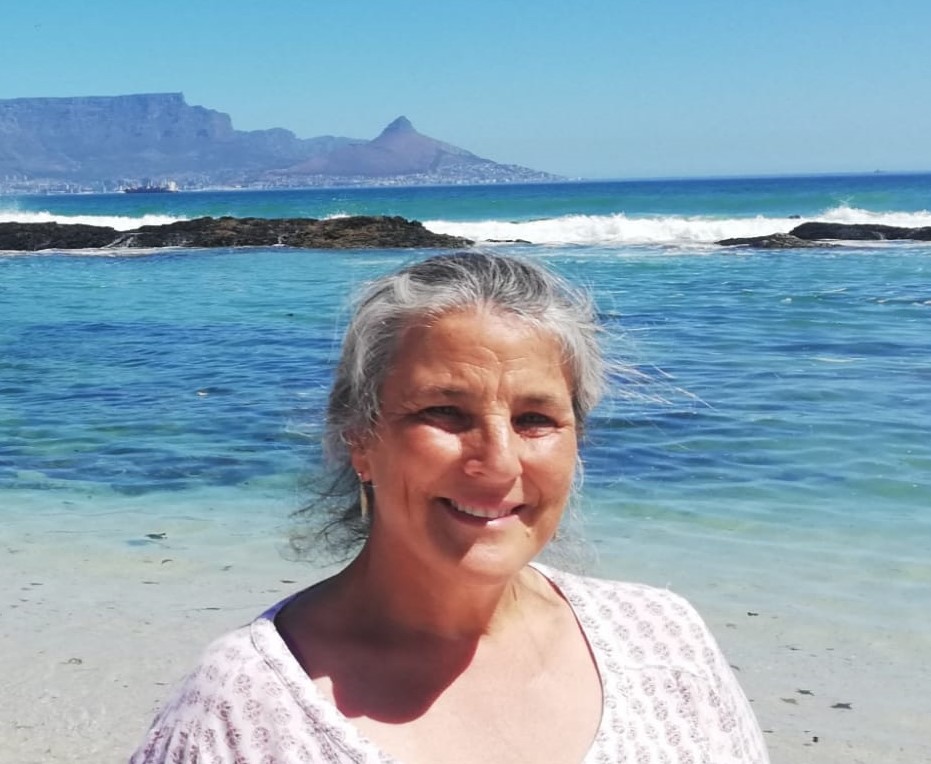
Rev. Berry Behr, Interfaith Minister
We live in a world that often treats food as commodity, land as resource, and living beings as objects of consumption. So much is disconnected from its source that we can eat without ever considering the soil, the rain, the labor, the seed, the animal, or the countless unseen relationships that made nourishment possible.
Yet many wisdom traditions understand food very differently.
In parts of India, food is regarded as sacred. “Anna is Brahma” — it means: Food is God. In Sikhism, the Langar meal reminds us that all sit equally before the mystery of nourishment. Indigenous traditions across the world teach reverence for the animals, plants, waters and lands that sustain human life.
At Africa Kiva this year, I experienced this consciousness in a way that moved beyond philosophy and challenged me at a deep level. A goat was brought to the gathering for sacrifice. I knelt beside the animal in the red African dust. Who was I, in this moment? The elders had asked me to pray. I looked into the eyes of the goat and felt the compassion and the prayers rise from deep within my heart.
Suddenly, the separation between spirituality and survival dissolved. Life feeds life. The goat was not abstract meat wrapped in plastic on a supermarket shelf. It was a living being participating in the sacred exchange of existence. The elders had introduced the goat to the land, shown it the ceremonial prayer sites, explained what we were doing, and thanked it for its contribution to our community and to life.
As I prayed - for that goat, and for all of us, I began to understand that all food is sacrament. I wondered whether part of the crisis of our modern world is not simply violence or greed, but forgetfulness. We have forgotten relationship. Forgotten gratitude. Forgotten that we are not separate from the web of life but utterly dependent upon it.
The question is no longer merely what we consume, but how we live in response to what sustains us.
Can we grow our food and our hearts together? Can we become worthy of what is given? Can we move from extraction toward reciprocity, from domination toward reverence?
Knowing that all of life comes from life, may we be worthy of the sacrifice.







Thank you, Reverend Berry, for so beautifully recognizing how food and the sacrament of a meal can be such a powerful way of generating spiritual substance and radiantly blessing our worlds.
I gave up eating meat 25 years ago and am not involved anymore in animal sacrifice. Before each meal I give thanks to Nature, people and everything else that brought the food to me. Then I offer it all upward to the ascending cycles of creation.